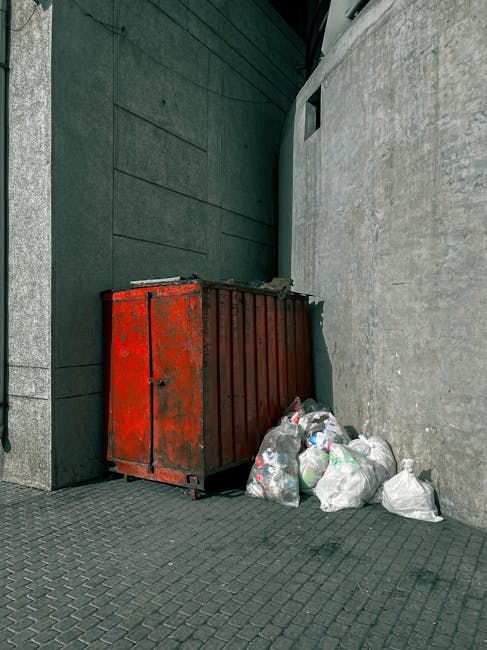
Difficult access rubbish removal for Harringay flats and maisonettes
Posted on 25/06/2026

If you live in a Harringay flat or maisonette, you probably know the drill: a bulky sofa to shift, a broken wardrobe to get out, or builders' bags sitting awkwardly in a narrow hallway with no lift, no proper loading bay, and a staircase that seems to shrink every time you carry something down it. Difficult access rubbish removal for Harringay flats and maisonettes is exactly about solving that problem without damaging the property, blocking neighbours, or turning a simple clear-out into a miserable afternoon.
This guide breaks down how access-aware rubbish removal works, what to expect, and how to prepare so the job is quicker, safer, and far less stressful. You'll also find practical tips for flats above shops, maisonettes with tight stairwells, and those classic London layouts where parking is never quite where you need it to be. To be fair, that's half the battle in this part of north London.
Why Difficult access rubbish removal for Harringay flats and maisonettes Matters
Access issues change everything. A straightforward rubbish collection from a house driveway is one thing; taking waste out of a top-floor maisonette with a narrow stairwell, awkward corners, or no place for a vehicle to stop nearby is another story entirely. In Harringay, where you'll find a mix of converted buildings, split-level homes, and older stock with character, difficult access is often the rule rather than the exception.
That matters for three reasons. First, safety: lifting heavy waste through cramped communal spaces can lead to damage or injury. Second, timing: the more complicated the access, the longer the job usually takes, especially if items have to be carried piece by piece. Third, neighbour relations: a big clear-out can quickly become a nuisance if hallways are left open, doors are propped, or rubbish is staged in shared areas for too long.
There is also the simple reality that the wrong approach costs money. If a team arrives expecting straightforward kerbside loading and instead finds three flights of stairs, limited parking, and no lift, the job may need more labour, more time, and more careful planning. If you want a wider view of waste handling options in the area, it can help to look at waste clearance in Harringay alongside the specific access challenge.
Expert summary: in difficult-access properties, the biggest win is not brute force. It is planning the route, protecting the building, and matching the crew size to the space. That sounds obvious, but in practice it's what separates a calm clearance from a stressful one.
How Difficult access rubbish removal for Harringay flats and maisonettes Works
At its best, access-aware rubbish removal is a small logistics exercise. The team assesses what needs to go, where it sits in the property, how it can safely leave the building, and where the vehicle can park. That assessment may happen during a quick call, through photos, or on arrival. In many cases, the more detail you give early on, the smoother the day becomes.
Here's what usually happens:
- Access is assessed. The team checks stair width, floor level, lift availability, door sizes, and whether large items can be split down.
- Loading strategy is planned. Items are grouped by size and weight so the route is efficient and safe.
- Parking and approach are considered. On busy roads or near tight terraces, the vehicle position can change how long the job takes.
- Protective handling is used. Corners, bannisters, and communal flooring are treated carefully to reduce scuffs and knocks.
- Waste is removed and sorted. Reusable, recyclable, and non-recyclable materials are separated where possible.
In real life, this might mean carrying a broken bed frame down two flights, then a small pile of mixed junk from a storage cupboard, and finally a white good that needs careful handling because of weight and awkward balance. It's not glamorous work. But a good crew makes it look strangely uneventful, which is exactly what you want.
If your job includes bulky furniture, the approach will often overlap with furniture removal in Harringay and, where appliances are involved, appliance disposal services. For mixed loads, you may also find the broader rubbish collection in Harringay page useful as a general reference.
Key Benefits and Practical Advantages
There's a reason people look for help with difficult access jobs instead of trying to muscle through on their own. The benefits are very practical.
- Less risk of property damage. Tight turns, narrow staircases, and shared entrances are where chipped paint and broken handrails happen.
- Faster clearance. With a planned route and the right crew, the job can move far more efficiently than DIY trips up and down stairs.
- Lower physical strain. Let's face it, carrying a heavy mattress down a cramped staircase is not a fun weekend activity.
- Cleaner shared spaces. Good practice means the hallway is not left cluttered while the job drags on.
- Better sorting and disposal. A professional team can separate items for recycling, reuse, or specialist disposal where needed.
- More predictable pricing. Clear access information helps reduce awkward surprises on the day.
There is also a less obvious benefit: peace of mind. When access is difficult, people often worry that the job will become disruptive or messy. A properly managed removal takes that stress off your plate. You hear the footsteps, the careful shifting, the odd thump of a handled item going down the stairs, and then suddenly the space feels lighter.
For landlords, agents, and owners preparing a flat for re-letting or sale, access-aware clearance can also support a cleaner handover. In that sense, it sits naturally alongside house clearance in Harringay and even some of the advice found in the site's property-focused articles about local moves and transactions.
Who This Is For and When It Makes Sense
This kind of service is for anyone dealing with rubbish that cannot be moved easily from the property to the vehicle. In Harringay, that often includes:
- flats on upper floors without lifts
- maisonettes with steep internal stairs
- converted Victorian properties with narrow landings
- buildings with shared entrances and limited hallway space
- homes with parking restrictions or hard-to-reach front access
- properties above shops or along busy roads where loading is tight
It makes sense when you have bulky furniture, mixed household junk, bagged waste, renovation leftovers, or items that simply will not fit through the normal route without careful handling. One common example is a flat clear-out after a tenant move: there's an old wardrobe in the bedroom, some general junk in a box room, and maybe a heavy fridge in a corner that nobody wants to deal with. Another is a maisonette where the only route out is a bendy staircase with a decent chance of scraping the wall if you rush.
It can also make sense for smaller jobs if the access is especially awkward. A single item can still be a problem if it is bulky, fragile, or difficult to pivot. Truth be told, one awkward sofa can be more troublesome than six bin bags.
If your property includes outside space, loft storage, or a mix of indoor and outdoor rubbish, related services such as garden waste removal and loft clearance in Harringay may also be relevant.
Step-by-Step Guidance
If you want the process to run smoothly, the best approach is to think ahead a little. Not obsessively. Just enough to prevent the usual snags.
- List everything to be removed. Include bulky pieces, bagged waste, broken items, and anything stored in odd places.
- Check the route out of the property. Note stair width, tight turns, door frames, and anything that could block movement.
- Take a few photos. A quick picture of the stairwell, hallway, and the items themselves can be very helpful.
- Describe parking conditions honestly. Mention permit zones, shared bays, yellow lines, or whether a vehicle can stop close by at all.
- Separate anything sensitive or valuable. Keep documents, personal items, and reusable goods away from the clearance pile.
- Clear a staging area if possible. Even a small patch of floor near the exit helps the team work safely.
- Confirm access times with the building. If there are quiet hours, intercom issues, or shared-door codes, sort them in advance.
- Allow a bit of buffer time. Access jobs rarely run with military precision. That is just life in a dense city.
A useful tip from experience: if a piece of furniture can be dismantled safely before collection, it often saves time and reduces risk. But don't start removing panels or legs if the item becomes unstable. The point is to make the move safer, not invent a second problem.
For anyone dealing with renovation debris rather than household clutter, it may help to read more about builders waste disposal in Harringay or the more specific local guidance on builders' waste disposal for difficult access properties.
Expert Tips for Better Results
Small adjustments can make a big difference on the day. Here are the things that usually help most.
- Measure before you guess. Door widths, stair landings, and item dimensions matter more than people expect.
- Protect the route. If you're preparing yourself, a moving blanket or temporary floor protection can help; just avoid anything that creates a slip hazard.
- Bundle smaller items logically. A pile of loose bits slows everyone down.
- Keep hallways clear. It sounds basic, but shared corridors get messy quickly during a rush.
- Tell the team about awkward items. Glass, mirrors, waterlogged furniture, and old appliances behave differently.
- Be realistic about same-day timing. If a job depends on parking or access permissions, a last-minute request can be tricky.
A slightly funny but true point: the item you forget to mention is usually the item that causes the most head-scratching. "Oh, there's also a chest freezer in the utility cupboard" is a sentence that tends to change the whole plan.
For local access and parking realities, the article on St Ann's Road waste removal access and parking tips is a good reminder that what looks simple on a map can be very different at street level. Likewise, Harringay Ladder junk removal tips for Victorian terraces is useful if your flat or maisonette sits in one of those older, tighter layouts.

Common Mistakes to Avoid
Most problems with difficult access rubbish removal are avoidable. Here are the common ones.
- Under-describing the access. "It's a flat" is not enough. A top-floor flat with two landings and no lift is a very different job.
- Forgetting about parking. If the vehicle cannot stop nearby, everything takes longer.
- Leaving items in shared spaces too long. That can annoy neighbours and create fire or obstruction issues.
- Trying to move oversized items alone. That is where strained backs and damaged bannisters enter the story.
- Not checking what needs separating. Waste streams can differ, especially for appliances and mixed rubbish.
- Booking too little time. Access jobs often need a bit more breathing room than standard collections.
Another common issue is assuming every clearance is the same. It isn't. A flat above a shop, for example, can be far more awkward than a maisonette with a decent front path. And a building with a lift is not automatically easy if the lift is tiny, slow, or shared by every resident at 8:30 in the morning.
If you want to avoid delays and awkward surprises, it's worth reading about common same-day rubbish removal delays in Haringey. It's not just about speed; it's about planning well enough that speed remains possible.
Tools, Resources and Recommendations
You do not need a warehouse full of kit to prepare properly, but a few simple tools and habits help enormously.
- Measuring tape: useful for checking whether bulky items will fit through the route.
- Phone camera: photos of the stairwell, entrance, and items can prevent misunderstandings.
- Heavy-duty gloves: sensible for anyone sorting small waste before collection.
- Blankets or floor protectors: useful if items need to be slid rather than carried, though care is needed.
- Bin bags and boxes: good for separating loose junk into manageable loads.
- Building entry notes: keep codes, contact details, and access instructions in one place.
As for service choice, it helps to look beyond the headline phrase "rubbish removal" and think about the actual job type. If you have old furniture, compare that with dedicated furniture disposal. If the load is mixed household waste, the broader waste disposal service may fit better. For bigger declutters, you may also want to review the full services overview so you can match the job to the right clearance type.
And if you're comparing providers, don't be shy about asking how they handle tight staircases, whether they can deal with a no-lift building, and what happens if parking is tighter than expected. Those are the real questions, not the shiny ones.
Law, Compliance, Standards, or Best Practice
With rubbish removal, especially in shared buildings, the basics of compliance and best practice matter. You do not need to become an expert, but you do need to choose a service that handles waste responsibly and works safely around your building.
In practical terms, that means checking that waste is being collected and transferred by a properly authorised operator, that items are disposed of lawfully, and that recyclable materials are separated where feasible. It also means making sure the work does not create avoidable hazards in communal areas. In a flat or maisonette, corridors and stairwells are shared space, not storage space, even for a few minutes longer than planned.
Good providers will also be careful with insurance, manual handling, and building protection. If you're comparing options, it can be sensible to review waste carrier licence and compliance, as well as insurance and safety. These are not decorative pages; they are part of what separates professional work from a risky shortcut.
For residents who care about responsible disposal, the site's guidance on recycling and sustainability is also worth a look. The general rule is simple enough: keep the process tidy, legal, and considerate to the building and the people in it.
There are also privacy and site-use basics to consider if you're booking or sharing access details, which is where pages like privacy policy and terms and conditions become relevant. Nothing dramatic, just sensible due diligence.
Options, Methods, or Comparison Table
There are a few ways to handle difficult access rubbish removal. The right one depends on the size of the load, the access route, and how quickly you need the space cleared.
| Method | Best for | Strengths | Limitations |
|---|---|---|---|
| DIY removal | Very small loads with easy access | Low direct cost, simple for a few bags | High effort, more risk, awkward in narrow stairs or poor parking |
| Pre-sorted van collection | Moderate loads where access is manageable | Efficient if items are ready to go | Still depends on you moving items safely to the exit |
| Access-aware rubbish removal team | Flats, maisonettes, upper floors, bulky items | Safer handling, quicker clearance, less stress | Usually costs more than doing it yourself, though often better value overall |
| Specialist item removal | Appliances, heavy furniture, mixed clearances | Tailored handling for awkward items | May need separate planning if the load is varied |
For many Harringay flats and maisonettes, the middle and upper options make the most sense. If access is tight, "cheap" can quickly become expensive once time, labour, and the risk of damage are factored in. Not always, but often enough to matter.
Case Study or Real-World Example
Picture a two-bedroom maisonette off a busy Harringay street. The resident needs to clear a sofa, a dismantled bed, three bags of mixed junk, an old microwave, and a broken office chair. There is no lift. The stairwell turns sharply halfway down. Parking is limited, and the nearest stopping point is not right outside the building.
A rushed approach would be messy. Someone would try to carry the sofa first, realise it catches on the corner, then shuffle back and forth while other residents wait to pass. Not ideal. Instead, the sensible approach is to start with the route: measure the tight points, protect the wall edge, move the smaller items first, and schedule the sofa for the end when the way is clear. The appliance gets lifted carefully, the loose waste is bagged properly, and the team keeps the hallway open.
The difference is not just speed. It is calm. The job feels controlled rather than chaotic. The resident gets the space back, the neighbours are not bothered for long, and the building is left tidy. That is the whole point, really.
In a slightly different scenario, a flat above a shop may need a mixed clearance after a refurbishment or long tenancy. In that case, access planning might overlap with commercial waste removal in Harringay if there is business-related waste involved, or with office clearance if the space has been used as work premises. Same building type, different waste problem. Easy to mix them up, which is why the detail matters.
Practical Checklist
Use this before booking or on the morning of collection:
- List every item that needs removing.
- Measure large furniture, appliances, and tight doorways.
- Take photos of the access route, stairwells, and parking area.
- Confirm whether the building has a lift, shared entrance, or entry code.
- Check if there are residents, deliveries, or quiet hours to work around.
- Separate valuables, documents, and anything you want to keep.
- Make sure hallways are not blocked by other items.
- Tell the provider if items are unusually heavy, fragile, or damp.
- Ask how recycling and disposal are handled.
- Review timing, pricing, and what happens if access turns out to be harder than expected.
If you can tick most of those boxes, the removal is far more likely to go smoothly. It does not need to be perfect. Just prepared.
Get a free quote today and see how much you can save.
Conclusion
Difficult access rubbish removal for Harringay flats and maisonettes is really about turning a cramped, awkward, slightly annoying task into a controlled, safe, and efficient process. The best results come from honest access details, realistic timing, and a plan that respects both the building and the people living in it.
Whether you're clearing a bulky sofa from a top-floor flat, shifting builders' waste from a maisonette, or tackling a mixed load before a move, the same principles apply: measure, prepare, protect, and keep the route clear. Nothing fancy. Just solid, sensible work.
And once the clutter is gone, the place feels different. Quieter, somehow. Bigger too. That part never gets old.