Green Lanes Harringay rubbish removal guide for shops and flats
Posted on 19/10/2026
If you run a shop on Green Lanes or live in one of the flats above it, rubbish has a way of becoming everyone's problem at the worst possible moment. One busy delivery day, one end-of-lease clear-out, one kitchen refit, and suddenly bags are piling up, back entrances are blocked, and the whole place starts to feel cramped and a bit chaotic. This Green Lanes Harringay rubbish removal guide for shops and flats is here to make that feel manageable.
Whether you need a one-off clearance, regular commercial waste collection, or help with bulky items from a flat, the right approach saves time, protects your building, and keeps you on the right side of local rules. It also helps avoid the classic London headache: the "we'll sort it later" pile that somehow keeps growing by the week. Let's make it simpler.

Why Green Lanes Harringay rubbish removal guide for shops and flats Matters
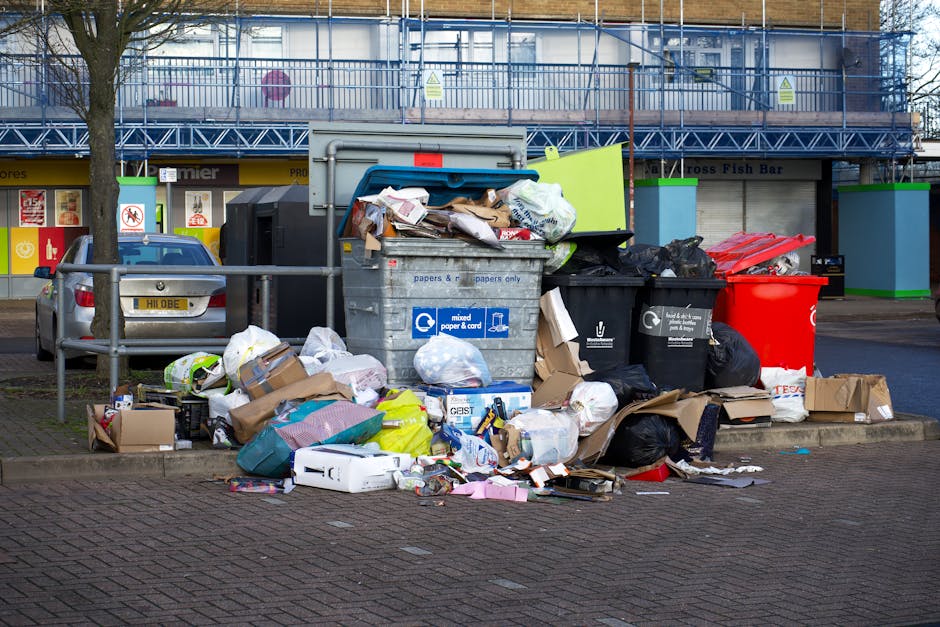
Green Lanes is busy, mixed-use, and always moving. That is part of its appeal, but it also means rubbish can't be handled casually. Shops generate packaging, food waste, broken fittings, old stock, and waste from deliveries. Flats generate furniture, white goods, renovation debris, and the usual end-of-tenancy clutter. Put those together on a narrow frontage or shared service yard and you can see the problem straight away.
The issue is not just appearance, either. Poor rubbish handling can create smells, pests, trip hazards, blocked access, complaints from neighbours, and difficult conversations with landlords or managing agents. In a place like Harringay, where many buildings are tightly packed and rear access is limited, a small waste problem can become a bigger operational mess very quickly.
For shops, the pressure is often daily. A cafe might need cardboard removed before opening, while a barber or convenience store may have a corner that quietly turns into a storage zone for broken chairs, packaging, and out-of-date promotional materials. For flats, the pressure is more episodic but no less real. A spring clear-out, a move, or a bathroom refurb can produce more waste than standard bins are meant to handle.
Practical truth: most rubbish issues in shared London buildings are not about "too much waste" in the abstract. They are about timing, access, sorting, and who is responsible for what. Get those four things right and the whole process becomes far smoother.
If you are also dealing with mixed-use building management, it can help to look at broader support pages such as commercial waste collection, house clearance services, or local coverage like our Harringay area page to understand the most relevant route for your property.
How Green Lanes Harringay rubbish removal guide for shops and flats Works
The process is usually straightforward, but it works best when you treat it like a small project rather than a last-minute favour. In most cases, rubbish removal starts with identifying the type of waste, how much there is, where it is located, and whether access is easy or awkward. That sounds obvious, but it is where many people get caught out. A bag of clothes from a flat and a dismantled shop counter are not handled the same way.
For shops, rubbish removal may involve any mix of:
- cardboard and packaging from deliveries
- retail displays and broken fixtures
- old stock or damaged goods
- back-room clutter or storage overflow
- fit-out and refit waste
For flats, the list often includes:
- bulky furniture
- appliances and white goods
- bags of mixed household waste
- loft, cellar, or cupboard clearances
- DIY rubble, timber, or bathroom/kitchen debris
A professional rubbish removal service typically assesses the load, confirms what can be taken, and then arranges collection at a suitable time. That might be same-day in some cases, or it could be a booked slot to avoid disturbing customers, residents, or neighbours. Timing matters more than people think. A 9 a.m. collection outside a busy shop can be a dream; a 9 a.m. collection when delivery lorries are already waiting can be, well, not ideal.
Another important detail is sorting. Recyclable materials, reusable items, general waste, electrical items, and hazardous materials should not all be treated the same way. If you are not sure how to separate things, ask first. Clear guidance upfront saves wasted trips and unnecessary costs later.
For larger premises or ongoing waste needs, you may also want to compare options with general rubbish removal, office clearance, and flat clearance so the service matches the real job rather than forcing a one-size-fits-all approach.
Key Benefits and Practical Advantages
There are obvious reasons to clear waste, but the real benefits often show up in the day-to-day running of the building. The front of a shop looks better. The rear yard stops feeling like a bottleneck. The stairwell smells fresher. People notice. Customers notice. Residents definitely notice.
Here are the main advantages worth caring about:
- Better presentation: important for shops, especially on a visible street like Green Lanes.
- Safer access: no piled bags, awkward boxes, or trailing items in shared areas.
- Less pest risk: waste left too long can attract vermin and birds.
- More usable space: a cleared stock room or hallway changes how a property functions.
- Fewer complaints: neighbours, tenants, and staff are much happier when waste is handled neatly.
- Better compliance: keeping waste documented and correctly removed reduces avoidable problems.
There is also a quieter benefit: momentum. Once one area is cleared, people tend to keep it clear. It sounds small, but it changes behaviour. A tidy back room does not invite more dumping. A clean bin store does not become a blind spot. In property management, those small shifts matter.
For businesses that operate out of narrow or shared premises, commercial waste handling can also improve workflow. Staff spend less time moving junk around and more time actually doing the work that pays the bills. Simple, really.
Expert summary: Good rubbish removal is not just about taking things away. It is about reducing friction in a busy building, making access safer, keeping shared spaces respectful, and giving shops and flats a cleaner reset point.
Who This Is For and When It Makes Sense
This guide is especially useful if you are in one of these situations:
- a shop owner dealing with packaging build-up, refurb waste, or stock clearance
- a landlord or letting agent managing a flat between tenancies
- a tenant moving out and needing bulky items removed
- a building manager looking after shared entrances, storage areas, or bin stores
- a local business needing one-off clearance after a fit-out or expansion
- someone in a flat with no easy lift access and no realistic way to move a sofa downstairs alone
It also makes sense when the usual bins are not enough. That is the key sign, honestly. If waste is being left next to bins, hidden in corners, or carried in and out repeatedly because no one knows what to do with it, you are already past the point where standard disposal is enough.
Another common trigger is a deadline. End of tenancy. End of lease. Pre-inspection. Opening day. Refurb completion. Anyone who has ever had to clear a property by Friday evening knows the feeling. At that point, the best solution is the one that is clear, quick, and predictable.
If you are unsure whether your waste is more suited to domestic clearance or a commercial service, pages like end-of-tenancy cleaning support and void property clearance can help you choose the most sensible route.
Step-by-Step Guidance
Here is the simplest way to handle rubbish removal without making it harder than it needs to be. Nothing fancy. Just a solid process.
- Identify the waste type. Separate general rubbish, cardboard, bulky items, electricals, and anything potentially hazardous.
- Estimate the volume. Is it a few bags, a van-load, or a full clearance? Be honest here. Underestimating is a classic mistake.
- Check access. Consider stairs, narrow halls, parking, loading bays, rear entrances, and whether neighbours need notice.
- Choose the right timing. Shops often need early mornings, before opening, or after closing. Flats usually benefit from quieter windows.
- Clear what you can safely sort in advance. Cardboard flattened. Reusable items set aside. Loose rubbish bagged.
- Confirm restrictions. Some items need special handling, and some services will not take them without prior arrangement.
- Book collection and prepare the route. Make doors, gates, and corridors accessible, and tell staff or residents if needed.
- Do a final sweep. Check behind counters, under stairs, and in storage corners. Those spots always hide something, always.
If you are managing a shop, assign one person to oversee the clearance. If you are handling a flat, do the same with one decision-maker. Too many opinions slows everything down. It really does.
A practical tip: take photos before the clearance if you are a landlord, agent, or shop manager. Not for drama. Just for records. A before-and-after set can be useful for handovers, insurance notes, or internal tracking.
Expert Tips for Better Results
After enough clearances, a few patterns become obvious. The jobs that go smoothly are rarely the ones with the fanciest plan. They are the ones where someone has thought ahead by about 20 minutes, which is often all it takes.
Keep waste categories separate
Mixing everything together is convenient in the short term and annoying later. Separate cardboard, general waste, furniture, electricals, and renovation debris where possible. This helps with sorting, loading, and disposal planning.
Work around building rhythms
On Green Lanes, there is always something happening: deliveries, foot traffic, school runs, late-opening hospitality, residential comings and goings. A rubbish collection that looks easy on paper may be awkward if it clashes with those rhythms. For shops, early mornings often work well. For flats, mid-morning or early afternoon can be calmer.
Use the right service for the job
A light declutter is not the same as a full clearance. A single fridge is not the same as a refit. Matching the service to the load avoids delays and unnecessary charges. If the job includes office items, fixtures, or mixed commercial waste, it is worth reviewing a service page like retail clearance or office rubbish removal if available on the site.
Protect shared areas
Put down temporary coverings if items are likely to scrape floors or leave marks. That matters in period buildings and managed blocks where corridors and stairwells are already well-used. A small bit of care saves a lot of awkwardness later.
Ask one clear question before booking
"What exactly will you take, and what do you need from me before arrival?" That one question removes a surprising amount of confusion. It is not glamorous, but it works.
And yes, sometimes the simplest advice is the best one. Clear it once. Clear it properly. Move on with your day.
Common Mistakes to Avoid
Most rubbish removal problems are preventable. The trouble is, they only look small until collection day arrives and everyone starts improvising.
- Leaving sorting until the last minute. This makes the job slower and increases the chance of errors.
- Assuming all waste is accepted. Not every item can be removed in the same way, especially electrical or special waste.
- Blocking exits or fire routes. It may seem temporary, but this can create obvious safety issues.
- Forgetting access details. No parking space, no lift, or a locked back gate can cause delays.
- Underestimating the volume. A "few bags" often turns into a half-van once everything is gathered together.
- Ignoring neighbours or residents. Shared buildings work best when people are informed, not surprised.
- Using the wrong clearance type. Domestic and commercial waste need different handling in practice, even if the job looks similar on the surface.
One slightly annoying but common issue is mixed waste from flat refurbishments. A bag of tiles, a broken mirror, and some plasterboard offcuts do not behave like ordinary rubbish. If you are unsure, ask before the load is moved. Saves everyone a headache.
Tools, Resources and Recommendations
You do not need a warehouse full of equipment to organise rubbish removal well. A few practical tools and a bit of planning are enough for most jobs.
- Strong bin bags and rubble sacks: useful for sorting waste before collection.
- Marker pens and labels: simple, but very effective for separating items.
- Measuring tape: helps when checking whether furniture or appliances will fit through doors and stairwells.
- Gloves and basic protective gear: especially for dusty lofts, storage rooms, or post-refit clear-outs.
- Phone camera: for records, access photos, or showing awkward items in advance.
- Building contact list: useful if you need to notify a porter, landlord, neighbour, or tenant.
From a planning perspective, it helps to keep a small waste inventory for busy premises. That could be as simple as a note in your phone: cardboard, old display, broken shelving, one freezer, six bags, rear access only. Nothing elaborate. Just enough to avoid surprise.
If your property regularly produces waste, you may also want to review same-day rubbish removal for urgent situations or furniture removal when bulky items are the main issue. For building-related support, specialist clearance may be the better fit for awkward loads.
Law, Compliance, Standards, or Best Practice
Waste handling in the UK should be approached carefully. You do not need to become a legal expert to manage a simple clearance, but you do need to use reputable providers and make sensible checks. In practice, that means knowing what is being removed, where it is going, and whether the service is suitable for the waste type.
For commercial premises, there is usually a stronger expectation of documented waste handling and proper disposal routes. Shops should not assume general household-style collection is enough. Flats are a little different, but they still need care, especially where landlords, managing agents, and leaseholders share responsibilities.
Best practice usually includes:
- using a licensed and reputable waste contractor where required
- keeping records of collections where it makes sense for your business or building
- not placing waste in communal areas longer than necessary
- separating recyclables and special items when practical
- avoiding fly-tipping or unverified disposal routes
It is also wise to be careful with items such as fridges, freezers, paint, solvents, sharp materials, and broken glass. These may need more specific handling than ordinary waste. If you are ever unsure, check before booking. That is not being fussy. It is just sensible.
For landlords and agents, a clear handover process matters too. If a flat is left with abandoned items, note them quickly, document the state of the property, and arrange the appropriate clearance. Small delays can make everything harder, and in some cases more expensive.
Options, Methods, or Comparison Table
There is more than one way to clear rubbish in Green Lanes Harringay. The best option depends on the amount, type, urgency, and access. Here is a simple comparison.
| Method | Best for | Strengths | Limitations |
|---|---|---|---|
| Regular bin collection | Small day-to-day waste | Simple, familiar, low effort | Not suitable for bulky items or clear-outs |
| Self-haul / DIY disposal | People with a vehicle and free time | Direct control over timing | Labour-heavy, awkward for stairs and bulky waste |
| Man-and-van rubbish removal | Mixed waste, furniture, urgent jobs | Fast, practical, flexible | Needs accurate load description in advance |
| Full clearance service | Flats, shops, stock rooms, end-of-lease jobs | Most comprehensive, saves time | May cost more than smaller options, depending on scope |
| Specialist waste service | Electricals, heavy debris, unusual materials | Better suited to awkward or regulated waste | Needs clear item description and pre-booking |
In a real-world sense, the best choice is usually the one that reduces handling twice. If you have to move the same sofa from the third floor to the street, then to a van, then somewhere else again, that is a lot of unnecessary effort. A direct removal option often makes more sense.
Case Study or Real-World Example
Picture a small shop near Green Lanes that has been trading for years. The owner is changing the interior layout, replacing a counter, and clearing old stock that has been sitting in the back room since last winter. Nothing dramatic. Just one of those jobs that grows as you start pulling things out.
At the same time, there are flats above the shop. Residents are coming and going, and the rear passage is shared. If the clearance is done badly, the whole building feels it. Boxes block access. Someone gets irritated. The smell of damp cardboard lingers for longer than anyone wants. Not the end of the world, but not great either.
In a better version of the same job, the shop owner:
- separates cardboard, old display items, and broken stock
- books a collection before trading hours
- keeps the rear access clear
- flags the bulky shelving units in advance
- checks that no special waste is mixed in
The result is cleaner and quicker. Staff can reopen without a mess hanging around. Residents are less affected. The back room becomes usable again instead of being a holding pen for "things we might need one day," which, let's be honest, is often just clutter in a smarter jacket.
That same approach works for flat clearances too. A tenant moving out can sort the obvious rubbish, identify the furniture that needs removing, and book a service that can handle the whole load in one visit. Less stress. Fewer trips. Much better than trying to do it all in a hatchback on a rainy evening.
Practical Checklist
Use this checklist before booking rubbish removal for a shop or flat on Green Lanes:
- Have I identified the waste type clearly?
- Have I estimated how much needs removing?
- Do I know whether any items need special handling?
- Is access easy, or do I need to arrange parking, keys, or building access?
- Have I told residents, staff, or neighbours if the collection may affect them?
- Are recyclable items separated where practical?
- Have I checked stairwells, cupboards, under counters, and rear areas?
- Is the timing suitable for the building and the business?
- Do I know whether I need a domestic, commercial, or specialist service?
- Have I taken photos or notes for records, if needed?
If you can answer yes to most of those, you are in good shape. If not, do a quick reset before the collection. It will pay off.
Quick takeaway: the best rubbish removal plans are the ones that reduce surprises. Clear information, clear access, and clear timing make everything easier.
Conclusion
Rubbish removal in Green Lanes Harringay is not just about getting rid of waste. It is about keeping busy shops workable, keeping flats liveable, and keeping shared buildings respectful for everyone who uses them. When the process is planned properly, it feels almost invisible. And that is the point. The clutter disappears, the space breathes again, and life moves on.
For shops, that might mean a cleaner front of house and a more efficient back room. For flats, it might mean a smoother move, a safer hallway, or a much-needed end to the "we'll deal with it later" pile. Truth be told, later is often the problem.
If you are choosing a service now, think about the waste type, the access, the timing, and the building itself. Keep it simple, keep it honest, and use a provider that understands the difference between a quick pickup and a proper clearance. That is usually where the best outcome starts.
Get a free quote today and see how much you can save.
With the right plan, even a messy clear-out can end with a calm, orderly space and a proper sense of relief. And that, in a busy part of London, is worth a lot.