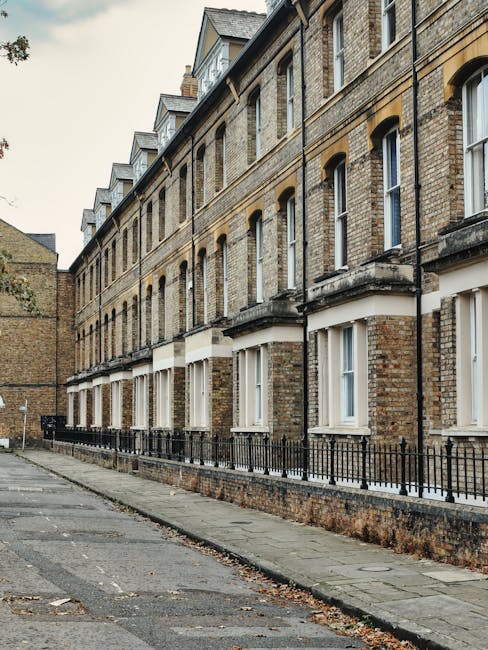
Harringay Ladder junk removal tips for Victorian terraces
Posted on 03/05/2026
Harringay Ladder Junk Removal Tips for Victorian Terraces
Victorian terraces in the Harringay Ladder have their own rhythm: narrow hallways, steep stairs, front gardens that are often not much wider than a skip, and storage spaces that somehow fill up faster than you expect. If you are sorting a loft, clearing a back room, or trying to get rid of old furniture without scratching a banister that has already seen a century of life, the job needs a bit more care than a standard clear-out. That is exactly where Harringay Ladder junk removal tips for Victorian terraces become genuinely useful.
This guide is for anyone dealing with bulky rubbish, old household items, renovation debris, or a full property clear on a period terrace. You will find practical steps, safer lifting habits, compliance notes, and a few local-minded tricks that make life easier in a tight London street. Truth be told, most clearance problems are not dramatic. They are just awkward. A sofa gets stuck halfway down the stairs, a loft hatch is too small, or a pile of mixed waste turns into three different disposal problems before breakfast.
We will walk through the process from planning to final sweep-up, with a focus on protecting the property, keeping the job efficient, and avoiding the usual mistakes that cause delays and extra costs. If you need broader support around household or building clearance, you may also find the house clearance service useful, especially where a terrace needs a full room-by-room reset. For heavier items and mixed loads, the junk removal service can help simplify the whole thing.
Why Harringay Ladder junk removal tips for Victorian terraces Matters
Victorian terraces are beautiful, but they were not designed around modern bulky waste, flat-pack furniture, washing machines, or the random accumulation that comes with family life and home improvements. In the Harringay Ladder, that matters even more because space is at a premium and access can be fiddly. One narrow pavement, one parked car, one awkward staircase. That is often enough to turn a straightforward clear-out into a small logistical puzzle.
Good junk removal tips matter because they help you avoid damage, save time, and reduce stress. They also help you think clearly about what can be reused, recycled, sold, donated, or disposed of responsibly. A rushed approach usually creates avoidable mess. You end up with half-sorted piles in the hallway, dust in the skirting board gaps, and a load that is too mixed to handle efficiently. Not ideal.
There is also the period-property factor. Victorian terraces often have original or semi-original features: bannisters, encaustic tiles, sash windows, plasterwork, old floorboards. These are lovely to live with and very easy to chip if you drag a wardrobe through the wrong doorway. A careful clearance approach is not about being fussy. It is about protecting the house you actually want to keep.
Expert summary: The best junk removal plan for a Victorian terrace is usually not the fastest one on paper. It is the one that respects access, protects original features, separates waste properly, and keeps the street-side collection smooth.
If your property needs a broader tidy-up before or after clearance, the property clearance service can be a sensible next step, especially for inherited homes, end-of-tenancy situations, or long-neglected spaces.
How Harringay Ladder junk removal tips for Victorian terraces Works
At its simplest, junk removal in a terrace works in four stages: assess, sort, move, and dispose. The tricky bit is doing those stages in the right order so you do not make the access problem worse than the waste problem.
First, you assess what needs to go. That means looking at item size, weight, fragility, and whether it contains anything that needs special handling. A broken chest of drawers is one thing. A fridge, mattress, or builder's rubble is another. Mixed waste often needs separating because disposal routes differ.
Next comes sorting. In a Victorian terrace, the hallway is often your staging area, but keep it tidy and short-term. Sort into clear categories: reuse, recycle, general waste, electricals, metal, bulky furniture, and anything hazardous. If you are unsure whether something should be treated as a specialist item, do not guess. Set it aside.
Then comes movement. This is where access planning makes a big difference. Measure doorways, turnings, stair widths, loft ladders, and anything else that could turn into a bottleneck. A large sofa might fit through the front door if it is tilted the right way. Or it might not. Better to know before you start sweating on the landing.
Finally, disposal should be matched to the material. Many households in London want a cleaner outcome than simply dumping everything in one pile. If you are working through a full domestic clear-out, the rubbish removal option can be helpful for mixed loads, while the same-day rubbish removal page is worth a look if timing is tight and you need the place usable again quickly.
In practice, the process often happens a bit like this: one person holds the door, one person protects the corners with cardboard or blankets, and one person guides items down the stairs slowly. A little patience saves a lot of repair work. And yes, the kettle usually goes on halfway through. It always does.
Key Benefits and Practical Advantages
Handled properly, junk removal in a Victorian terrace gives you more than an empty room. It creates breathing space. You can open windows again, inspect damp patches, paint properly, or simply move through the house without stepping around an old treadmill that nobody has used since 2019.
Some of the biggest practical advantages are surprisingly simple:
- Less damage to period features: careful movement protects stair rails, plaster corners, floorboards, and painted woodwork.
- Better use of limited space: a narrow terrace does not forgive clutter, so clearing strategically makes the whole home feel bigger.
- Cleaner sorting: separating items early improves recycling and reuse options.
- Safer movement: fewer trips over bags, boxes, and sharp edges.
- Less disruption to neighbours: quiet, planned loading tends to be kinder on shared streets and tight parking areas.
There is also a financial side. A well-sorted load is often easier to handle than a mixed one, and avoiding damage means avoiding costly repairs. To be fair, many clearance jobs become expensive not because of the waste itself, but because the waste was left unsorted until the last minute. That is the kind of thing that happens when one room starts becoming a storage room and nobody notices the drift.
For a broader home reset, some homeowners combine junk removal with furniture disposal or appliance removal. That can make sense if you are replacing bulky items rather than just throwing everything away.
Who This Is For and When It Makes Sense
This guide is useful if you live in a Victorian terrace in the Harringay Ladder and any of the following sounds familiar:
- You are clearing a loft, cellar, spare room, or rear outhouse.
- You have bulky furniture that will not go out in standard household waste collections.
- You are preparing for decorators, flooring work, or a renovation.
- You are dealing with an end-of-tenancy clean-up or a move.
- You have inherited a property and need to sort contents carefully.
- You want a faster route than hiring a skip where access is awkward.
It also makes sense if your property is occupied. A lot of terrace clear-outs happen while people are still living there, which means less room to stage items and more risk of blocking everyday life. If children, pets, or elderly relatives are in the house, planning becomes even more important.
And yes, sometimes it is the small things that push people over the edge. The pile of broken chairs behind the back door. The under-stairs cupboard that no longer closes. The random flat-pack packaging that has been "temporarily" waiting for a recycling run since spring. You know the scene.
If your job involves mixed waste from a renovation as well as domestic junk, the builders waste removal service may be a better fit than a standard household clear-out, because heavier rubble and plasterboard need different handling.
Step-by-Step Guidance
Here is a practical way to approach terrace junk removal without creating chaos mid-job.
- Walk the property first. Check every room, hallway, loft, cupboard, shed, and under-stair space. Do not rely on memory. Memory has a way of forgetting the worst bits.
- Measure awkward items and access points. Check the widest part of the item, not just the obvious front edge. Measure stair turns, door widths, and any low ceilings or tight landings.
- Sort into disposal categories. Keep recyclables separate from general waste, and isolate anything electrical, sharp, wet, or potentially hazardous.
- Clear the route. Move rugs, shoes, plants, and loose objects out of the way. Protect corners and floors with blankets, cardboard, or dust sheets.
- Break down what you can. Flat-pack wardrobes, bed frames, and shelving units are often easier to remove once dismantled. Keep screws and fittings in a labelled bag if you may reuse them.
- Load in the right order. Heavier items go first if you are using a vehicle, but do not bury fragile objects beneath them. A smashed lamp base is a small annoyance; a damaged stair tread is not.
- Do a final sweep. Check behind radiators, under shelves, and in corners. Dust and nails love hiding where you least want them.
One useful trick in terraces is to create a temporary "holding lane" in the front room or hallway rather than spreading items through the whole house. A narrow, controlled staging area keeps movement predictable. It also means less backtracking, which everyone appreciates by about hour two.
If you are planning to remove multiple bulky pieces, the bed and mattress removal page can be useful for separating awkward bedroom items from general clutter. Mattresses, in particular, are famous for being just awkward enough to slow everything down.
Expert Tips for Better Results
Here is where a bit of experience really helps. The goal is not just to remove junk. It is to do it cleanly, safely, and with minimal friction.
1. Start with the hardest item first
It sounds backwards, but tackling the biggest or most awkward object early often reveals the real limitations of the space. If the wardrobe will not fit down the stairs, you want to know that before everything else is stacked around it.
2. Use blankets and corner guards without overthinking it
You do not need a glamorous system. Old duvets, sturdy cardboard, and a bit of tape can protect painted woodwork and bannister posts very effectively. Just make sure nothing slips mid-carry.
3. Keep the floor clear and dry
Period floorboards can be uneven, and a damp patch near the front door can turn a simple carry into a slip hazard. A dry route is a safer route. Obvious, maybe. But easy to forget when you are hurrying.
4. Label what stays and what goes
If family members are involved, labels save arguments. "Donate," "recycle," "keep," and "bin" are usually enough. In a busy household, the difference between a clear label and a vague pile can be the difference between progress and confusion.
5. Leave bagged rubbish out of the main clearance area
Small bags create clutter faster than bulky items. Keep them stacked neatly and out of the movement path so the larger job does not become tripping practice.
6. Plan around the street, not just the room
In the Harringay Ladder, outside access can be just as important as the interior. Think about parking, loading distance, and whether anything in the front garden may need moving first. A clear pavement edge is worth its weight in gold on a busy day.
For recurring waste or regular tidy-ups after works, you might also look at garden waste removal if the back garden has become part of the problem. Overgrown patios, broken planters, and old timber are part of the story more often than people admit.

Common Mistakes to Avoid
Most clearance mistakes are not dramatic. They are small, cumulative, and irritating. The kind that make you say, "We should have done this yesterday."
- Not measuring first: guessing about sofa width or wardrobe height is how people get stuck on landings.
- Mixing all waste together: this makes sorting slower and disposal less efficient.
- Ignoring fragile period features: old plaster, stair edges, and skirting boards need protection.
- Leaving sharp or heavy items loose: broken glass, screws, and metal offcuts can cause injuries.
- Blocking the hallway: once the route is blocked, every item takes longer to move.
- Forgetting electrical items: appliances and electronics usually need separate treatment from normal rubbish.
- Leaving the street access until last: parking and loading are part of the job, not an afterthought.
A common one in terraces is underestimating how much dust and small debris gets trapped in awkward corners. You remove the obvious pile, then find a second layer under the radiator or along a chipped threshold. Annoying, yes. But normal.
Another trap is assuming that a quicker DIY route is always cheaper. Sometimes it is. Sometimes it is not. If you need hire equipment, protection materials, or multiple trips, the real cost creeps up quietly. That is why a proper plan matters.
Tools, Resources and Recommendations
You do not need a warehouse full of gear to clear a terrace properly. A few sensible tools go a long way.
| Tool or item | Why it helps | Best use in a Victorian terrace |
|---|---|---|
| Protective gloves | Helps with grip and basic hand protection | Carrying broken furniture, bagged rubbish, and sharp-edged items |
| Dust sheets or old blankets | Protects painted surfaces and floors | Hallways, banisters, stair turns, and door frames |
| Heavy-duty bags | Keeps loose waste contained | Small mixed rubbish, soft furnishings, and general clutter |
| Screwdriver set | Useful for dismantling items | Bed frames, wardrobes, shelving, and brackets |
| Furniture sliders or moving straps | Makes bulky items easier to manoeuvre | Sofas, cabinets, and heavier pieces on smooth floors |
| Label stickers or marker | Supports sorting and decision-making | Rooms with keep/recycle/donate piles |
A sensible recommendation for most homeowners is to sort first, move second. It is tempting to start hauling straight away, but you usually save time by spending ten minutes up front making the job clearer. If you have sentimental items mixed in with rubbish, set them aside before the clearing gets underway. Emotional hesitation in the middle of a carry is never fun.
If you need help with disposal after the sort, the waste collection service can be a straightforward next step for mixed household items. For bigger domestic clearances, the office clearance service may also be relevant if a home office, study, or workroom has turned into a storage overflow zone.
Law, Compliance, Standards, or Best Practice
When clearing junk from a Victorian terrace, the main compliance issue is responsible waste handling. In the UK, householders still need to make sure waste goes to an appropriate destination and is not simply handed to someone without proper handling. That matters because if waste is fly-tipped, you may be asked questions about where it came from. Not ideal, and easily avoided.
For most domestic jobs, the safe, sensible rule is simple: only use people or services that can explain how the waste will be sorted and disposed of responsibly. If you are doing the work yourself, keep records where appropriate, especially for larger or mixed loads. Receipts and job notes are boring, yes, but useful.
Special items need special care. Electrical goods, mattresses, paint, chemicals, solvents, and some renovation materials should not be treated like ordinary rubbish. If you are unsure, keep them separate until you can confirm the right handling route. Better cautious than messy.
Best practice in a terrace also includes protecting shared spaces. Hallways, front paths, and pavements should not be blocked longer than necessary. If neighbours rely on narrow access, a polite heads-up can prevent unnecessary friction. A quick conversation on the doorstep can save a week of awkward looks. London living, basically.
For clearances that involve larger quantities or mixed property contents, the full house clearance service may align better with the scale of the job than a one-off item removal. It is not always about doing more. Sometimes it is about choosing the right size of help.
Options, Methods, or Comparison Table
There is more than one way to remove junk from a Victorian terrace. The right choice depends on what you are clearing, how much there is, and how awkward the access feels on the day.
| Method | Best for | Pros | Trade-offs |
|---|---|---|---|
| DIY with car trips | Small loads, reusable items, light clutter | Flexible and can feel cheaper for tiny jobs | Time-consuming, tiring, and awkward with bulky items |
| Skip hire | Renovation waste or ongoing work | Good for repeated disposal over several days | Needs space and can be awkward on narrow streets |
| Professional junk removal | Bulky, mixed, or time-sensitive clearances | Less lifting for you, often faster and neater | Usually best when you want convenience over pure DIY control |
| Room-by-room clearance | Full property declutter or inherited home | Very organised, good for sorting keep/recycle/donate | Takes planning and can feel emotionally tiring |
For many Harringay Ladder terraces, professional collection is the least disruptive option because it handles the movement problem as well as the disposal problem. That said, a hybrid approach can work nicely: you sort and set aside items, then bring in help for the heavy lifting. Honestly, that is often the sweet spot.
Case Study or Real-World Example
Imagine a typical Victorian terrace in the Harringay Ladder with a front reception room, a narrow staircase, two upstairs bedrooms, and a cramped loft hatch. Over time, the loft has become a home for broken suitcases, old seasonal decorations, a baby cot that has outlived its season, and a few boxes no one opened in years. The hallway has a cracked side table, an old rug, and a chest of drawers that cannot quite decide whether it is furniture or firewood.
The first smart move is not to start carrying. It is to sort. The cot might be donated if it is in suitable condition, the drawers might be dismantled, and the decorations can be bagged separately. The rug is checked for dust and size. The loft hatch is measured, and the staircase turns are assessed for the chest of drawers. It turns out the drawers need partial dismantling to avoid scraping the wall. Small annoyance, big difference.
On the day, the route is cleared from loft to front door. Blankets are placed around the stair turns. Bagged items are moved first so the hallway is not boxed in. Once the larger items are down, the team does a final clean sweep for nails, dust, and stray screws. The result is not just a cleared home. It is a calmer one. You can almost hear the room exhale, if that does not sound too daft.
This kind of job shows why terrace-specific planning matters. In a bigger house, you may get away with improvising. In a Victorian terrace, improvisation usually finds a way to bite back.
Practical Checklist
Use this checklist before you start any junk removal job in a Victorian terrace:
- Walk through every room, loft, cupboard, and outbuilding.
- Measure the largest items and the tightest access points.
- Separate keep, donate, recycle, and dispose piles.
- Put aside electricals, paint, chemicals, and other special items.
- Protect floors, corners, and banisters with dust sheets or cardboard.
- Clear the hallway and stairs before moving anything heavy.
- Dismantle furniture where practical.
- Make sure lighting is good on staircases and landings.
- Arrange parking or loading space if needed.
- Do a final sweep for debris, nails, glass, and small fixings.
Quick reminder: if a job looks simple but feels physically awkward, trust the feeling. Awkward jobs are where patience pays off.
Conclusion
Victorian terraces in the Harringay Ladder are full of character, but they ask for a bit of respect when you are clearing junk. The stairs are narrow, the rooms are compact, and the original features deserve a gentler touch than a brute-force approach. With good planning, sensible sorting, and the right disposal method, the whole process becomes much smoother than it first appears.
The main takeaway is simple: prepare properly, protect the property, and choose the removal route that matches the type and amount of waste. That is how you avoid damage, save time, and keep the job under control.
If you are ready to make the space feel usable again, start with the hardest item, sort what you can, and do not leave the awkward bits until the end. Little by little, it adds up. And once the clutter is gone, a terrace can feel surprisingly open, even a bit brighter on a grey London afternoon.
Get a free quote today and see how much you can save.
And if you are still staring at the pile wondering where to begin, that is completely normal. Begin with one corner. Then another. The rest has a way of following.