What Harringay residents need to know about waste disposal fines
Posted on 19/08/2026
What Harringay Residents Need to Know About Waste Disposal Fines
If you live in Harringay, waste disposal fines can feel like one of those annoying problems that only happens to other people until, suddenly, it is your bin bag on the pavement or your bulky item in the wrong place. The truth is, most fines are avoidable once you understand how local waste rules work, what councils look for, and where residents usually slip up. This guide on What Harringay residents need to know about waste disposal fines breaks it down in plain English, with practical steps you can actually use.
Whether you are clearing a flat, dealing with garden cuttings, getting rid of furniture, or simply trying to avoid a complaint from neighbours, the details matter. A few small habits make a big difference. And yes, some of them are a bit boring. But boring is cheaper than a penalty, let's face it.
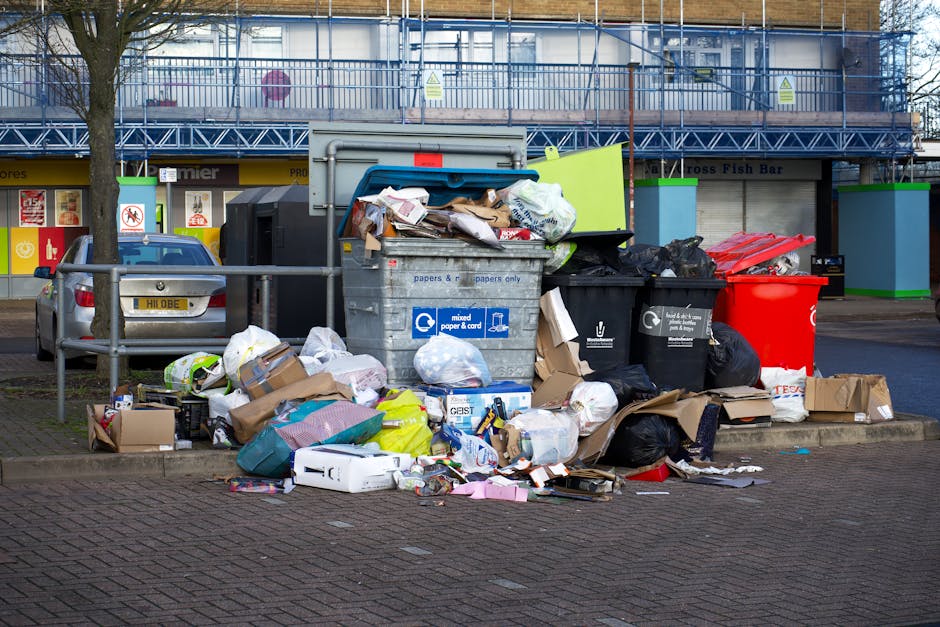
Why What Harringay residents need to know about waste disposal fines Matters
Waste fines are not just about money. They can also bring stress, wasted time, awkward letters, and in some cases extra hassle if a neighbour reports fly-tipping, badly presented rubbish, or waste left outside for too long. In a busy area like Harringay, where streets, terraces, flats, maisonettes, and shared access routes all create different disposal challenges, small mistakes are easy to make.
There is also a reputational side to it. If waste is left in a communal area, on a pavement, or near a front garden wall, it can quickly become everybody's problem. One overflowing bag can turn into a shared eyesore by the next morning. You will notice this especially in tighter streets and blocks, where bins, parking, and collection timings have to work together. When they do not, complaints follow fast.
That is why it helps to understand the basics: what counts as proper disposal, what happens if waste is dumped incorrectly, and how to avoid those avoidable penalties. If you are managing a bigger clear-out, it can also help to read about local practical issues such as junk removal in Victorian terraces or waste removal in flats and maisonettes with difficult access. Those real-world constraints are exactly where fines and mistakes tend to start.
Key takeaway: Most waste disposal fines are preventable. The real issue is usually not the rubbish itself, but how, where, and by whom it is presented for collection or disposal.
How What Harringay residents need to know about waste disposal fines Works
In simple terms, fines can arise when household or commercial waste is handled in a way that breaks local rules or creates a public nuisance. That may involve leaving rubbish in the wrong place, using the wrong bins, putting out prohibited items, or handing waste to someone who is not properly authorised to take it away. The exact enforcement approach can vary, but the pattern is familiar: poor waste management creates evidence, and evidence can lead to enforcement.
For Harringay residents, the practical risk usually sits in everyday situations. A sofa left on the street before collection. A builder's rubble pile after a renovation. Black bags put out too early and torn open overnight. White goods left near a bin store because they seem "too heavy to deal with." It all feels small in the moment. Then it snowballs.
Fines are also not the only cost. Sometimes the first issue is a warning, removal charge, or a request to clean up the mess. In more serious cases, especially if waste is dumped illegally or transferred to the wrong person, the situation can escalate. So the smarter approach is not to hope no one notices. It is to build a simple disposal routine that keeps you on the right side of the rules.
When residents book professional help, the paperwork matters too. A reputable operator should be able to demonstrate proper waste handling and compliance. If you are comparing services, a page like waste carrier licence and compliance is a useful reminder of what to check before handing over your rubbish. That single step can save a lot of trouble later.
Key Benefits and Practical Advantages
Avoiding waste disposal fines is the obvious benefit, but there are several practical upsides that matter just as much.
- Less stress: You do not have to worry about complaints, notices, or awkward follow-ups.
- Cleaner shared spaces: Stairwells, front gardens, bin areas, and pavements stay tidier.
- Better neighbour relations: Nobody enjoys being the person whose rubbish blocked the path.
- Safer handling: Proper disposal reduces trip hazards, pests, and broken glass issues.
- More predictable costs: A planned clearance is usually cheaper than a fine plus a rush fix.
- Less risk in busy periods: After refurbishments, moves, or seasonal clear-outs, waste builds up quickly.
There is also a subtle benefit people often miss: proper waste disposal helps you think more clearly about what actually needs to go. Once you separate reusable items, recyclable materials, and true rubbish, the job becomes smaller. A lot smaller. That tends to make the whole process feel less chaotic.
If you are clearing furniture, appliances, or mixed household waste, it may help to look at related services such as furniture disposal in Harringay or white goods and appliance disposal. These items often cause the most confusion because they are large, awkward, and not always accepted in the same way as standard bags of rubbish.
Who This Is For and When It Makes Sense
This guidance is for pretty much anyone in Harringay who produces household, garden, renovation, or commercial waste. That said, some groups benefit more immediately than others.
- Homeowners and tenants doing clear-outs, decorating, or spring cleaning.
- Landlords and letting agents dealing with end-of-tenancy waste or abandoned items.
- Builders and contractors managing rubble, packaging, timber, and mixed site waste.
- Small businesses that need office or commercial waste cleared safely and on time.
- Residents in flats or maisonettes where access and storage space are limited.
- People with bulky or awkward items that will not fit in standard collections.
It also matters if you are planning a move, selling a property, or preparing a rental for the market. A messy front area or overflowing waste pile is not a great look when surveyors, buyers, or new tenants are around. In that context, it is worth reading about Harringay real estate transactions or even broader local context like living in Harringay. Waste issues may not be glamorous, but they absolutely affect how a place feels and functions.
And if you are a business owner, the stakes are a touch higher. Commercial waste has its own expectations, and mixing it with domestic streams is not a clever shortcut. A sensible starting point is commercial waste removal in Harringay.
Step-by-Step Guidance
If you want to stay clear of fines, use a simple process. It is not fancy, but it works.
- Identify the waste type. Separate household rubbish, garden waste, furniture, electrical items, builder's waste, and commercial waste.
- Check what your local collection accepts. Some items need special handling or cannot go in normal bins at all.
- Prepare the waste properly. Bag loose rubbish, flatten cardboard, and keep hazardous items separate.
- Store it safely until collection. Avoid blocking pavements, stairwells, entrances, or shared hallways.
- Use the correct route for bulky items. Council bulky waste, private clearance, or recycling drop-off each suits different situations.
- Choose a reputable carrier if using a clearance service. Always check compliance and ask sensible questions.
- Keep records where appropriate. A receipt, booking confirmation, or collection note can help if there is a query later.
For example, if you are clearing a garden after a weekend of pruning, do not mix branches, soil, and old fencing without thinking it through. Garden waste can be handled differently from general rubbish, and a bit of sorting makes the whole job easier. For more on that, see garden waste removal in Harringay or Harringay garden clearance if the job has grown beyond a tidy bag-and-bin situation.
If it is a fuller house clear-out, the process needs more planning. One bedroom can become three bags, then a cupboard, then a mystery pile from 2009. Happens all the time. In those cases, a structured house clearance service can be far less stressful than trying to piece it together yourself over a weekend.
Expert Tips for Better Results
To be fair, most waste problems in Harringay are not caused by ignorance. They are caused by rushing. So the best tips are usually about slowing down just enough to do the job properly.
- Don't leave bags out too early. Overnight exposure often leads to ripped bags, windblown litter, or scavenging.
- Keep bulky items indoors until collection time. It reduces complaints and keeps walkways clear.
- Separate electricals and appliances. Fridges, freezers, and washing machines often need special handling.
- Watch access and parking. In tighter streets, poor vehicle access can delay collections and create awkward parking issues.
- Ask for compliance proof. A few seconds spent checking can prevent a much bigger problem later.
- Build in an extra day. Same-day plans sound efficient until rain, traffic, or access problems appear.
Local layout matters more than people realise. In some streets there is barely room for a skip or loading bay; in others, stair access makes moving items down awkward and noisy. That is why articles like access and parking tips for St Ann's Road waste removal and same-day rubbish removal delays in Haringey are useful. They show how local conditions can turn a simple job into a small logistical puzzle.
And yes, sometimes the smartest move is just not to overfill the car boot and hope for the best. We have all seen that one. Very regrettable, very avoidable.

Common Mistakes to Avoid
Here are the mistakes that most often lead to waste disposal fines or unnecessary hassle.
- Dumping items beside bins. If they are not officially collected there, they can be treated as fly-tipping.
- Assuming every waste carrier is compliant. Not all operators are equally reliable.
- Mixing hazardous, electrical, and general waste. This creates handling and disposal problems.
- Putting out bulky items without checking rules. What looks harmless may still breach local collection guidance.
- Ignoring shared access rules in blocks or terraces. Hallways, landings, and front paths must stay usable.
- Leaving waste for too long after a clearance. The longer it sits, the more likely it becomes a nuisance.
- Using an unlicensed or uninsured operator. If waste is dumped illegally later, the trail can come back to you.
One common scenario: a resident clears an old sofa, a chest of drawers, and a few broken items, then leaves them near the kerb because collection is "later in the week." In between, people add more rubbish, rain gets in, and by the time it is finally moved the pile looks like an unofficial dumping point. That is exactly the kind of situation that creates trouble. Small delay, big mess.
Another one: builder's waste from a kitchen refurb mixed into household rubbish. If you are planning works, it is usually better to organise it through a route designed for renovation waste, such as builders waste disposal in Harringay. Renovation waste is not the same thing as old magazines and a broken kettle.
Tools, Resources and Recommendations
You do not need a complicated system. A few practical tools are enough.
- Bin labels or colour-coded bags to keep streams separate.
- A simple phone checklist for bulky items, electricals, garden waste, and builder's waste.
- Photos of items before collection, especially if you are comparing clearance options.
- Written notes about pickup days, access issues, and who is responsible for the waste.
- Receipts or confirmations from any carrier or clearance service you use.
For many residents, the best "resource" is simply a clearer plan. Know what is going out, where it is going, and who is taking it. If you are comparing services or trying to understand what a proper package includes, the services overview page is a good place to orient yourself. For pricing context, pricing and quotes is also worth a look.
If your project involves clearance of soft furnishings or mixed items, these related pages can help you think through the logistics: furniture removal, waste clearance, and waste disposal services. They are especially useful when you want a disposal method that is tidy, traceable, and not a headache.
Law, Compliance, Standards, or Best Practice
Waste disposal is one of those areas where best practice overlaps with compliance. You do not need to memorise legislation to stay safe, but you should understand the basic expectations. Waste should be stored, moved, and passed on responsibly. It should not be abandoned in public spaces, handed to random operators, or mixed in ways that make it harder to treat correctly.
A few practical compliance points matter most for residents:
- Only use appropriate carriers. If someone is taking your waste away for payment, check that they are legitimate and compliant.
- Keep evidence of disposal. A simple note or receipt can help if questions arise.
- Follow local collection rules. Council arrangements for bulky waste, bin presentation, and prohibited items can differ from one location to another.
- Do not assume roadside dumping is acceptable. If it is left in a public area, it may be treated as fly-tipping.
- Be careful with commercial waste. Businesses usually have different obligations from households.
Best practice is basically the grown-up version of waste disposal: plan it, separate it, document it, and do not leave loose ends. If you are unsure whether a carrier is suitable, the safer route is always to ask questions before the waste leaves your property. A minute of checking beats days of chasing things after the fact.
For broader peace of mind, it can also help to look at pages covering insurance and safety, terms and conditions, and recycling and sustainability. These do not just sound formal. They tell you whether the operator is organised enough to handle your waste responsibly.
Options, Methods, or Comparison Table
Different waste problems need different solutions. Here is a straightforward comparison to help you choose the right route.
| Option | Best for | Strengths | Watch-outs |
|---|---|---|---|
| Regular household bins | Day-to-day rubbish | Simple, familiar, usually cheapest | Not suitable for bulky or special waste |
| Council bulky waste collection | Large household items | Good for occasional bulky pieces | May have booking limits or item restrictions |
| Private waste clearance | Mixed loads, time-sensitive clear-outs | Flexible, fast, can handle awkward jobs | Quality depends on the operator |
| Specialist disposal | Appliances, furniture, builders waste, garden waste | More suitable handling, less risk of mistakes | Needs the right service for the right item |
For example, a couple of broken chairs may be easy to deal with through furniture disposal. But a half-renovated room full of rubble, timber offcuts, and plasterboard? That leans much more toward specialist waste handling. It sounds obvious when written down, but in practice people mix methods all the time and pay for it later.
Case Study or Real-World Example
A typical Harringay scenario goes like this. A resident in a first-floor flat decides to clear out a spare room before relatives visit. There is an old wardrobe, a mattress, some boxes, a couple of small electrical items, and a garden bag left over from balcony planting. At first glance it seems like one job for bin day. It is not.
The resident starts by leaving the wardrobe in the communal hallway "just for the morning." A neighbour complains because it narrows the passage. Then the mattress is moved outside the front door while the rest is sorted. Later, rain gets into the boxes, the cardboard collapses, and the small electricals are tucked beside the bin store. A day or two later, the area looks untidy enough to attract attention.
The better approach would have been to separate items at the start, check which items needed special handling, and arrange removal in one go. If access is awkward, that matters too. Stairs, parking, and shared entrances are not small details; they shape the whole process. That is why residents dealing with more awkward buildings often benefit from reading about difficult access rubbish removal before they begin.
In the end, the difference between a smooth clearance and a potential fine usually comes down to organisation. Not perfection. Just a bit of order, and a little patience on a Tuesday afternoon when the stairs feel longer than they should.
Practical Checklist
Use this checklist before you put anything out or book collection.
- Have I identified the waste type correctly?
- Do I know whether it is household, garden, furniture, electrical, or builders waste?
- Have I checked what the local collection or service will accept?
- Is the waste stored safely and away from shared access routes?
- Have I separated recyclable or special items where possible?
- Do I have confirmation from a compliant carrier if someone is collecting it?
- Will the waste be removed at a time that avoids public obstruction?
- Do I have proof of booking or collection?
- Have I avoided leaving items outside too early?
- Have I chosen the right disposal method for bulky or awkward items?
If you can tick most of those off, you are already ahead of the game. Really, that is the whole point: not doing anything dramatic, just keeping the process tidy and traceable.
Conclusion
What Harringay residents need to know about waste disposal fines comes down to a simple idea: waste becomes a problem when it is unmanaged. If you separate items properly, use the right route for the right material, and avoid leaving rubbish in shared or public spaces, the risk drops sharply. That is especially true in a local area with mixed housing types, tighter access, and plenty of everyday pressure on space.
Think of waste disposal as part of household upkeep, not an afterthought. The more you plan it, the less likely you are to deal with complaints, extra costs, or a messy last-minute scramble. And if you are ever unsure, it is usually better to ask before the pile grows. Small effort now, less bother later.
Get a free quote today and see how much you can save.
Handled well, rubbish removal is just another ordinary job. Handled badly, it becomes a story you would rather not tell. A little care goes a long way.